“Oh, Mary!”
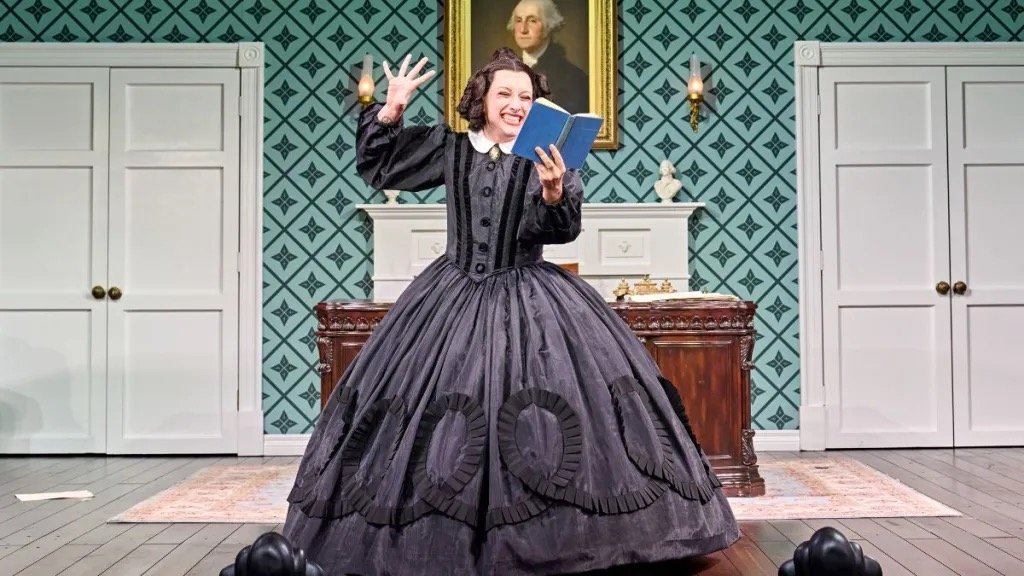
Credit: Manuel Harlan
My Theatre Confidences 🤫
“Oh, Mary!”
Trafalgar Theatre until 25 April
Honestly? I couldn’t stop laughing. Oh, Mary! is hilariously unhinged, deliciously irreverent, and proudly kinky. Camp with teeth.
Written by Cole Escola, the show reimagines Mary Todd Lincoln — in the weeks leading up to Abraham Lincoln’s assassination — as a desperate, alcoholic cabaret performer clawing her way back to the stage. Escola has said they wrote it from “our collective third-grade understanding” of who Mary Todd Lincoln was. And trust me, this is definitely not that Mary. The joke is the inaccuracy.
History is treated like a cheap prop, and that refusal of reverence is exactly where the comedy lives.
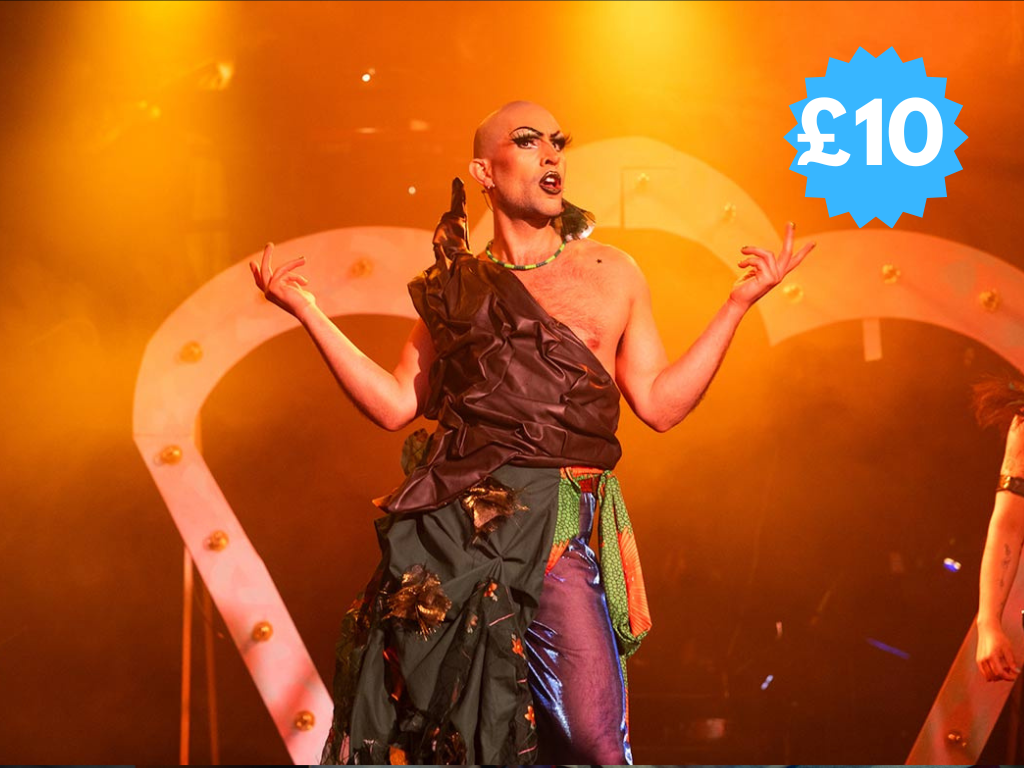
In the West End production at Trafalgar Theatre, Mason Alexander Park is phenomenal; a farcical, electrifying tour de force that leans fully into the chaos, the booze, and the camp delirium of this re-invented First Lady.
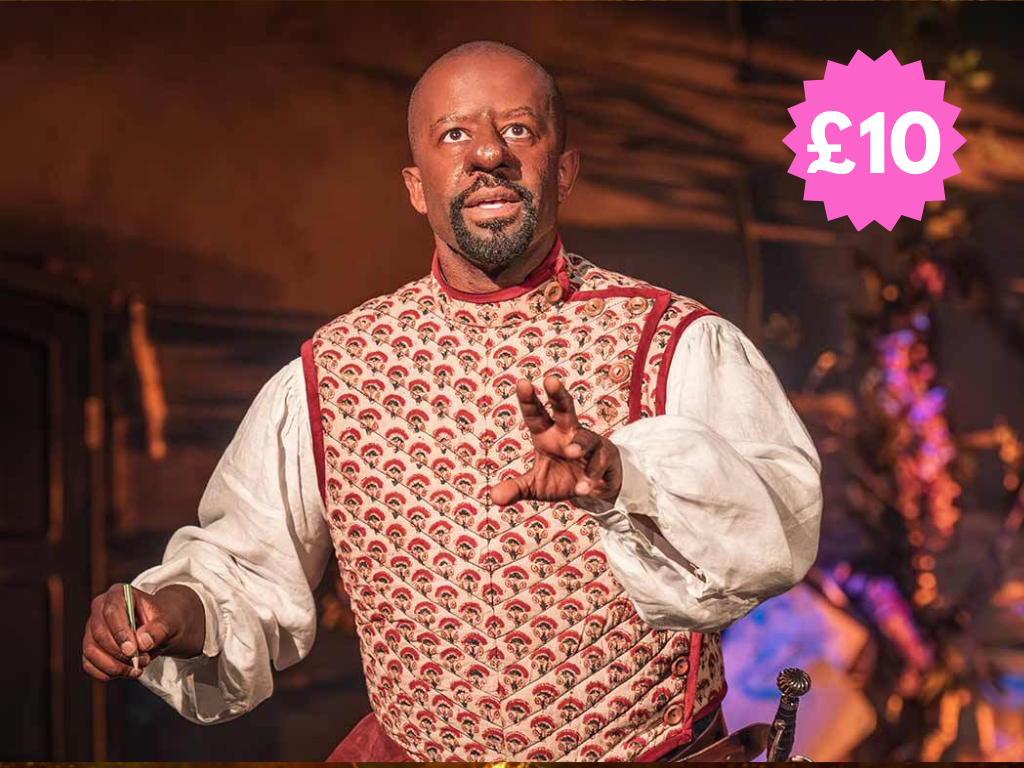
The rest of the cast are equally committed, creating a world of camp with a high degree of self-awareness that somehow makes it all feel genuinely alive rather than forced. Huge kudos to the incredible Giles Terera, and to Kate O’Donnell — finally making her West End debut. Long overdue. She’s extraordinary. Do you research.
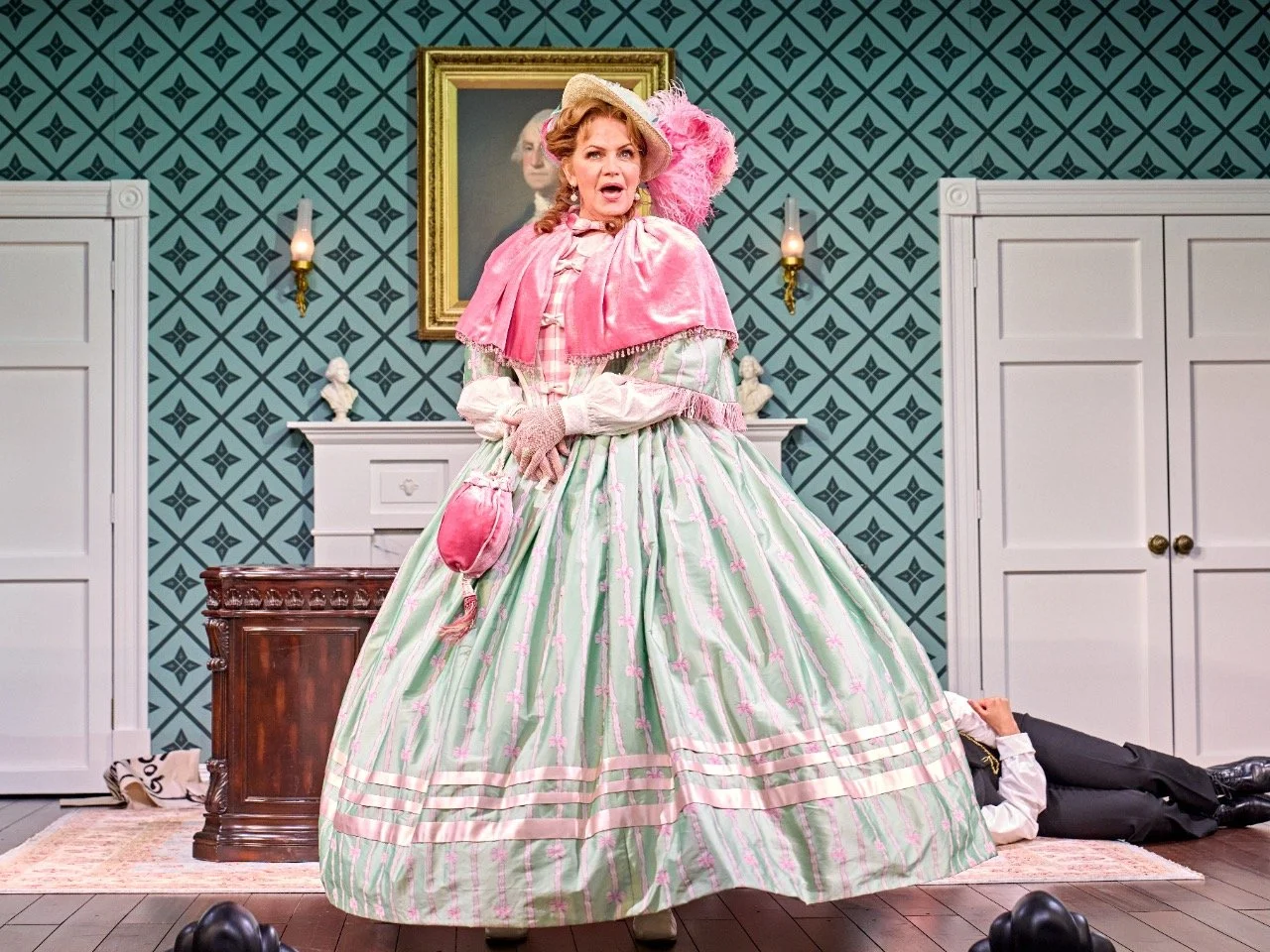
Credit: Manuel Harlan
The writing uses excess, bodily comedy, and verbal precision as tools of disruption. It’s stupid in the way camp is stupid: built with intent, and absolutely laughing at you while it does. At its core, Oh, Mary! is about what happens when artistic desire is crushed by social expectation. Mary wants to perform, to make art, to live beyond the suffocating role assigned to her; and every man around her insists they know what’s best.
Power, history, and patriarchy conspire to keep her small; and if you’re part of this Theatre Fam, I’m guessing you’ve felt some version of that pressure too. The show is also deeply invested in queering sacred American history. And I love this! Every character operates in a heightened camp register; queerness is the grammar.
There’s something deliciously defiant about taking one of America’s most sanctified icons (so often claimed by conservatives) and making the world around them messy, drunk, gay, and desperate. Camp has always been a queer survival strategy, a way of laughing at systems that refuse to let you exist fully.
And while Oh, Mary! doesn’t lecture about contemporary politics, it absolutely side-eyes conservative obsessions with historical purity, heteronormativity, and rigid gender roles. It feels like a playful middle finger to the reactionary wave of bigotry sweeping the West.
We’re living through desperate times, watching hard-won social ground slide backwards. Laughing together at the absurdity of repression? Sadly, very 2026.
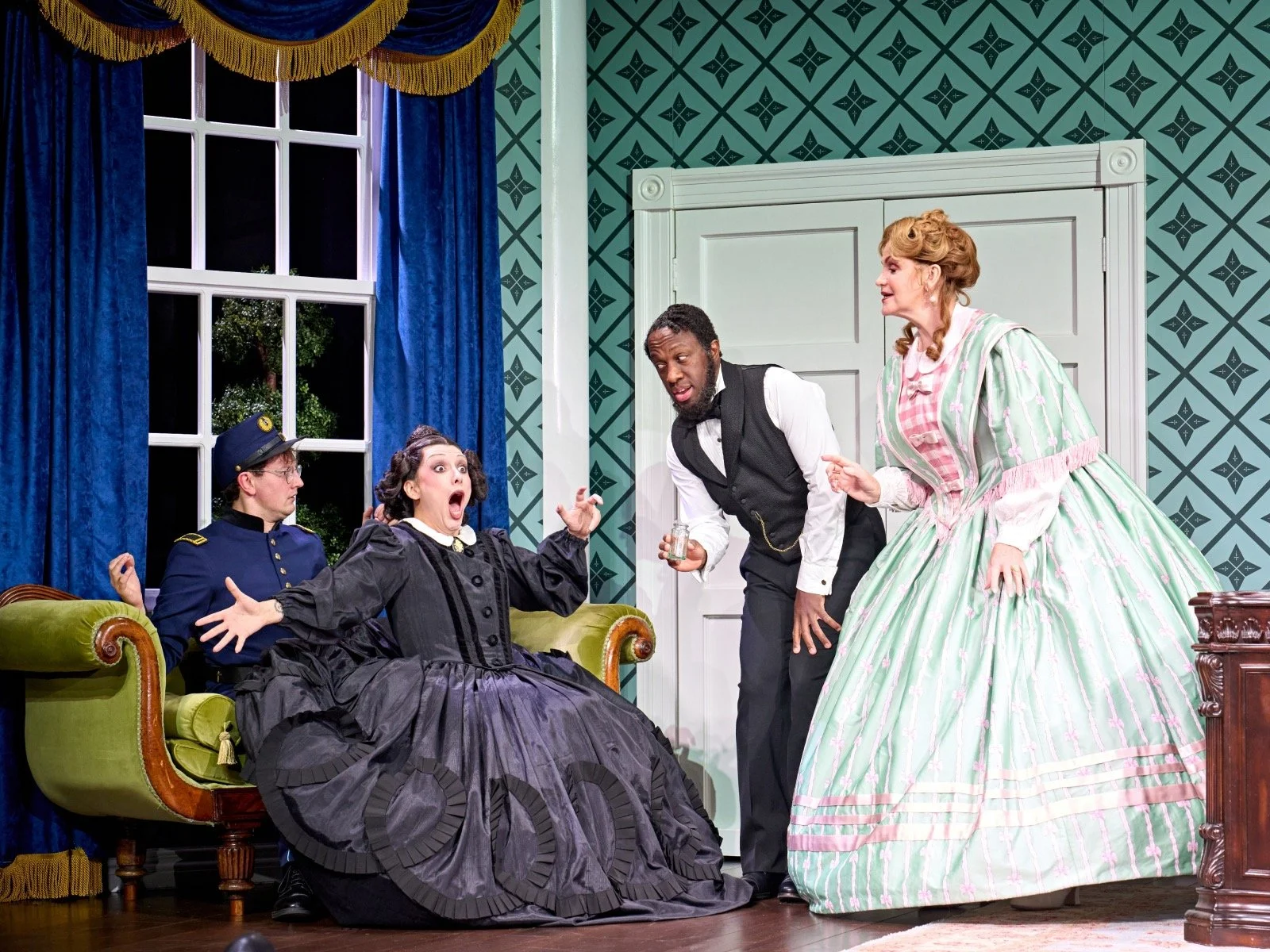
Credit: Manuel Harlan
One last thing: despite its Broadway success, Oh, Mary! still feels like an insider’s comedy.
It rewards a deep familiarity with queer culture and, according to my NYC friends, especially with New York’s queer underground. Apparently, the most steeped audiences are catching dozens of extra layers.
Which, frankly, just makes me love it more. In a world that keeps trying to flatten queer nuance into populist stereotypes, that multi-layered riot of a play feels like a goddamn gift.
A quick note on my reflections on the shows I see:
Let’s be clear: you won’t find the typical “review” on my page. I don’t buy into the so-called objectivity of mainstream theatre criticism; it’s outdated and protects toxic power structures while sidelining marginalised voices.
I’m not objective, and I’m proud of it. I’ve got my own lenses. My reflections are personal, shaped by my lived experiences and values. I share what moved me, what challenged me, and what’s worth talking about; not ticking boxes or handing out stars.
And no, I’m not going to describe the whole plot or list every onstage moment; I find that mind-numbingly boring, both to write and to read.
Giuliano x

My Way of Looking at Theatre
You know, the more I think about it, the clearer it becomes that traditional theatre criticism has often been a tool for maintaining existing power structures.
It’s time to drop the privileged fancy talk around theatre and break free from star ratings.
My exclusive promo codes for handpicked shows
I love